
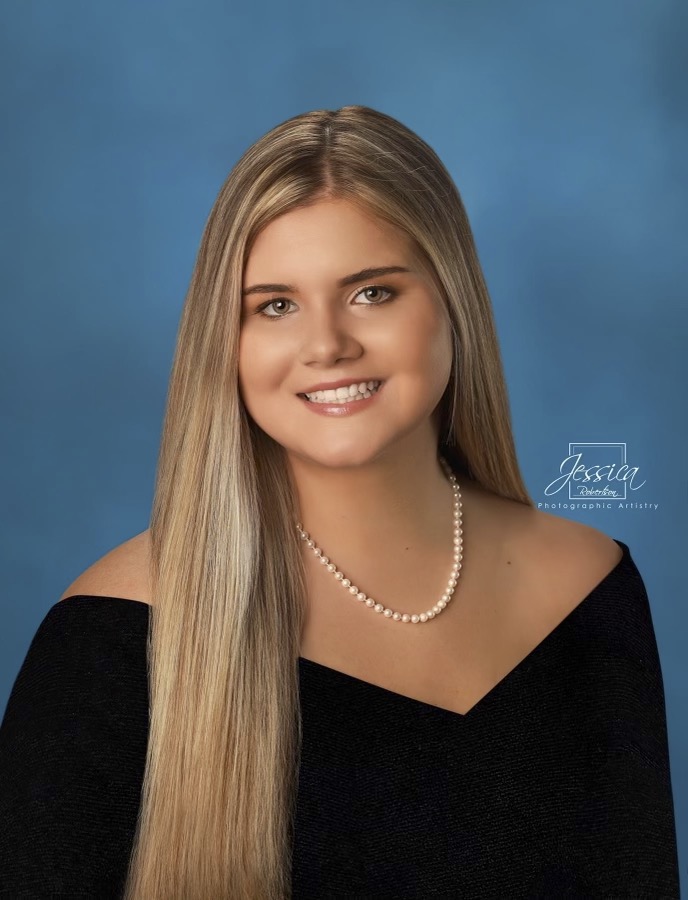
Hi! My name is Shelby Gregory, and I’m a student with a strong passion for sports and sports media. I’ve always loved watching, talking about, and breaking down sports, whether that’s keeping up with games, following athletes’ stories, or learning what goes on behind the scenes. Sports have always been more than just entertainment to me they bring people together and create moments that matter.
As I move forward professionally, I hope to build a career in the sports industry, particularly in sports communication, media, or social media. I’m interested in how teams and athletes connect with fans and how sports stories are shared across different platforms. This class is helping me explore those interests and figure out where I might fit in the sports world.
This blog was created as part of my coursework to track my thoughts, reflections, and learning throughout the module. I used WordPress a platform provided by ODU to build it, focusing on keeping the design simple and easy to navigate. My goal for this blog is for it to grow into a space where I can share insights about sports, reflect on what I’m learning, and eventually showcase my interests and skills related to a future career in sports.I’m excited to see how this Sport Journal develops over time and how it helps me better understand both sports and myself as a student interested in this field.
My Sports Persona
My Sports Media “Diet”
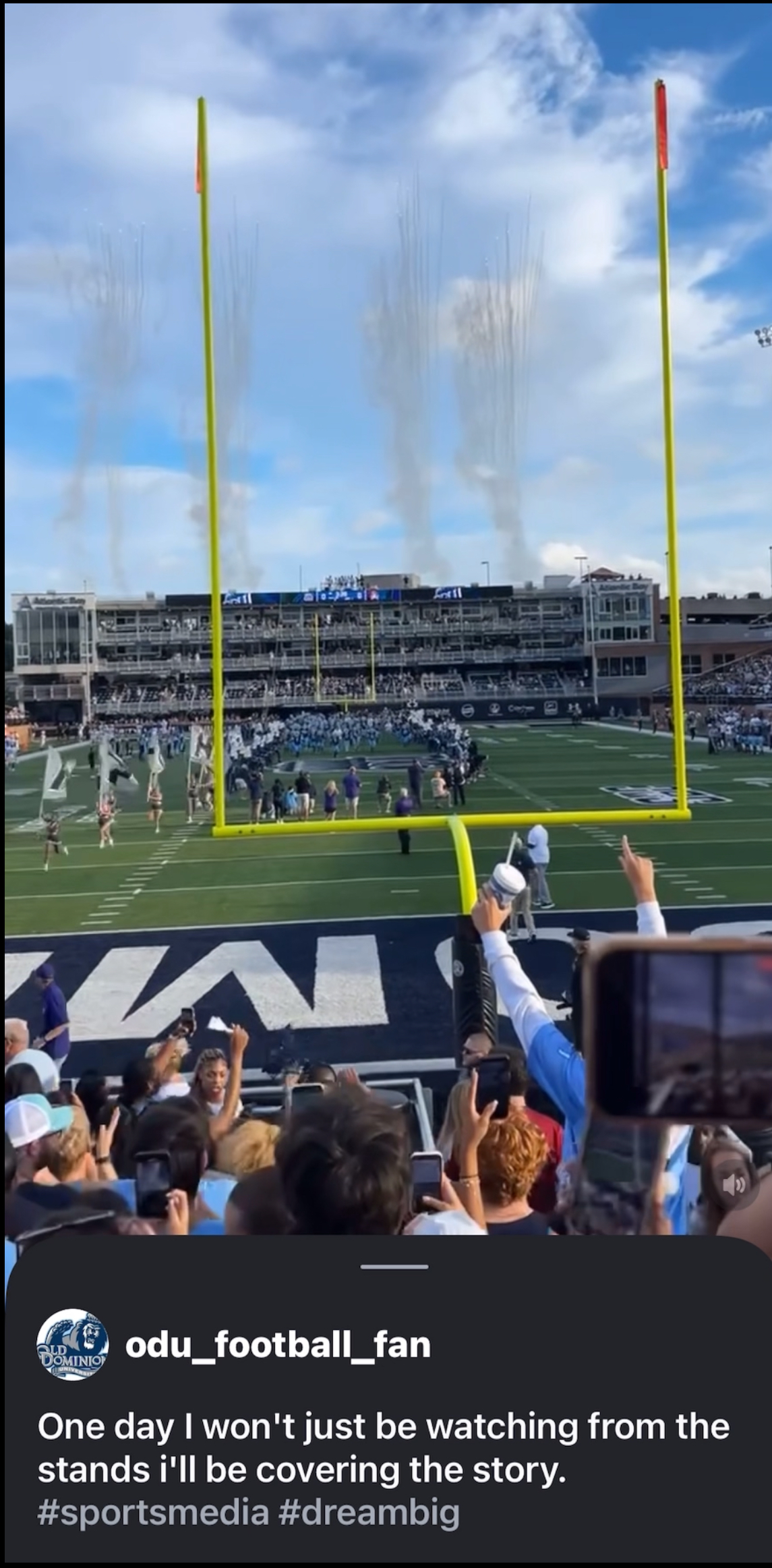
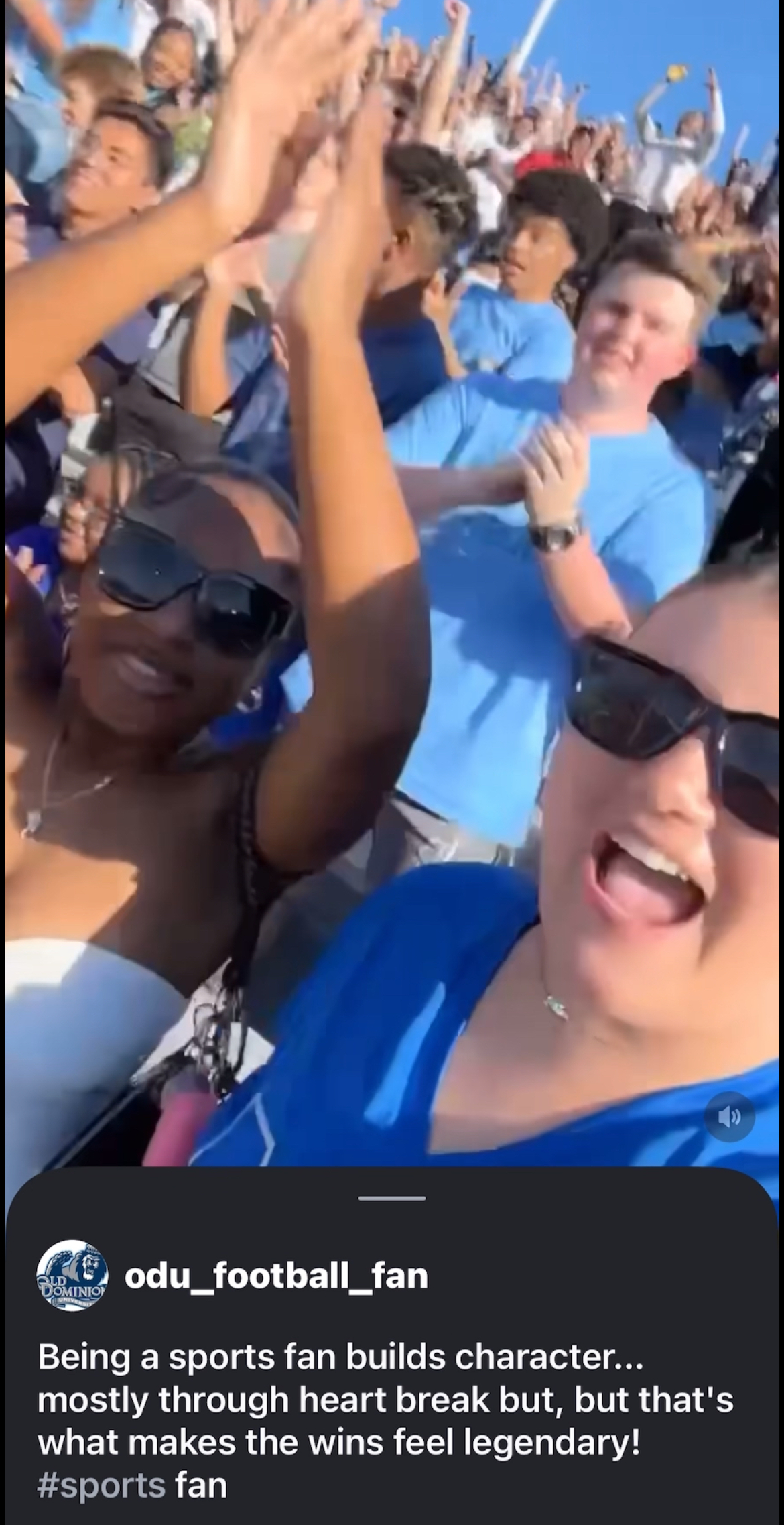
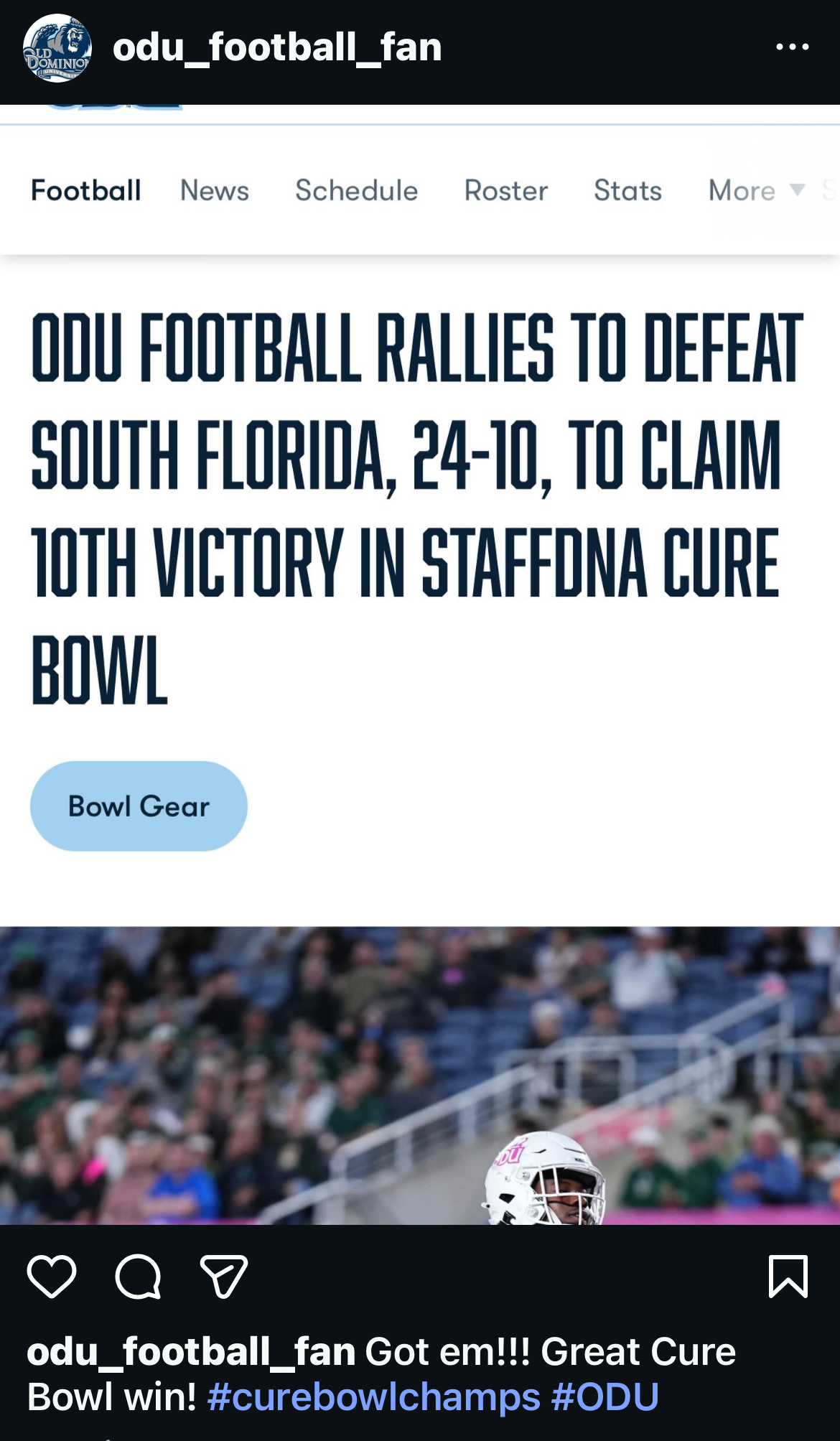
If I had to describe my sports media “diet,” I would say it’s mostly online and happens every day. Sports are a big part of my life, but the way I watch and follow them has changed a lot over the past five years.
Five years ago, I mostly watched full games on TV. If my favorite team were playing, I would sit down and watch the whole game. I would also check scores online after games were over. I used social media, but it wasn’t my main way of getting sports news. I would usually hear about big trades or injuries later, not right when they happened.
Now, everything is way more digital. I still watch live games, but I also follow sports on Instagram, TikTok, and X. A lot of the time, I find out about breaking news from social media before I see it on TV. I also watch more short clips instead of full sports shows. I like watching quick highlight videos, player interviews, and reaction videos. Streaming is also a big part of how I watch sports now. Games aren’t just on cable anymore they’re on different apps, which makes it easier to watch anywhere but also kind of confusing.
In the next five years, I think sports will become even more online and personalized. Apps will probably show us more content based on what teams and players we like. I also think technology like virtual reality could make watching games feel more interactive, like you’re actually there. Traditional TV will probably keep becoming less popular as more people switch to streaming.If I could change one thing about the sport communication world, I would make it easier to watch games without needing so many subscriptions. Right now, you have to pay for different apps just to follow one team, and that can get expensive. Sports should be easy for fans to watch and enjoy.
Overall, my sport media diet has changed from mostly watching TV to constantly checking sports on my phone. As technology keeps changing, I know the way I follow sports will keep changing too.
Building Connections-Finding a Penpal
For this assignment, I was supposed to find a sport industry professional to become my penpal for the semester. Even though I haven’t officially secured one yet, this process has already taught me a lot about networking and how important connections are in the sport world.At first, I wasn’t sure where to start. The sport industry feels big and competitive, and reaching out to professionals can be intimidating. I began by thinking about the type of job I might want in the future. Since I’m interested in sport communication, I decided I would like my penpal to be someone who works in sports media, social media management, or athletic communications.
I started looking at local college athletic department websites and LinkedIn to find professionals who work in those areas. I also thought about asking family members and friends if they know anyone connected to sports. I drafted a professional message introducing myself, explaining that I am a Sport Communication student, and asking if they would be willing to connect with me for a class assignment. Even though I haven’t received a confirmed “yes” yet, I have started reaching out and putting myself out there.
If I could choose my ideal penpal, it would be someone who works as a Social Media Coordinator for a college or professional sports team. That role interests me because it combines creativity, communication, and sports. Social media plays such a big role in how fans experience sports today, and I would love to learn more about what goes on behind the scenes, like how game-day posts are planned, how breaking news is handled, and how teams grow their online presence.
This experience has shown me that networking is something you have to practice. It can feel uncomfortable at first, but building relationships is important in any career, especially in sports. I understand that I will need to secure a penpal soon, and I plan to continue reaching out and using my connections to find one.
Feature Story
More Than a Game: How Mental Health Is Changing Sports
The arena went quiet, but not for the reason anyone expected.During the 2020 Tokyo Olympics, all eyes were on Simone Biles, the greatest gymnast of her generation. People expected gold medals. Perfect landings. History. Instead, she stepped back.
“I have to focus on my mental health,” she said.
In that moment, something bigger than gymnastics happened.
For years, athletes were expected to be mentally tough no matter what. Fans cheered for strength, but only the kind they could see fast times, big wins, and playing through pain. What they didn’t see, or didn’t talk about, was the pressure behind the scenes. Now, that’s starting to change.
Biles’ decision didn’t just shock the sports worldit started a conversation. Suddenly, mental health wasn’t something hidden anymore. It became part of the story.
Growing up, most young athletes are taught one thing: push through it.
Bad game? Practice harder.
Injured? Shake it off.
Feeling overwhelmed? Don’t show it.
That mindset has been part of sports culture for a long time. Coaches want discipline. Teams want wins. And athletes often feel like they can’t let anyone down.
But the reality is, pressure can build up fast.
Between school, practices, games, and expectations from coaches, parents, and even social media, athletes today are dealing with more than ever. It’s not just about playing a sport—it’s about performing all the time.
And that can take a toll
When Biles stepped away from competition, some people supported her. Others criticized her, saying she quit or wasn’t strong enough. But many athletes understood exactly what she meant.
She later talked about experiencing something called the “twisties,” a dangerous mental block where gymnasts lose track of their body in the air. That’s not just a bad day that’s a serious safety issue.
Her choice showed that mental health isn’t separate from physical performance. It is part of it.
Biles isn’t the only one speaking out.
Tennis star Naomi Osaka also made headlines when she stepped away from major tournaments to protect her mental health. She explained how media pressure and expectations were affecting her well-being.
Stories like these are becoming more common, and they’re changing how people see athletes.
Instead of being seen as “weak,” athletes who speak up are starting to be seen as real.
This shift is especially important for younger athletes.
High school sports are supposed to be fun, but they can also be stressful. Players worry about making varsity, earning scholarships, or just not messing up in front of their team.
It’s easy to feel like one mistake defines everything.
But hearing professional athletes talk openly about mental health helps break that mindset. It reminds younger players that it’s okay to struggle and that asking for help doesn’t mean you’re failing.
Coaches and schools are starting to notice too.
More teams are talking about mental health during practices. Some schools are bringing in sports psychologists or encouraging athletes to check in with counselors. While it’s not perfect yet, it’s a step in the right direction.
The goal isn’t just to create better athletes it’s to create healthier people.
Of course, there’s still a long way to go.
Some people still believe athletes should just “tough it out.” Others think mental health is just an excuse. Changing that mindset won’t happen overnight.
But moments like Biles’ decision at the Olympics are hard to ignore. They show that even the best athletes in the world are human.
And that matters.
At the end of the day, sports are about more than winning.
They’re about growth, teamwork, and pushing yourself but not to the point where it breaks you. Mental health is part of that balance, whether people want to admit it or not.
When Simone Biles stepped back, she didn’t just protect herself she helped change the game.
Now, the conversation is out in the open.
And for athletes everywhere, that might be the biggest win of all.
Athlete Activism
Taking a Stand: Colin Kaepernick and Athlete Activism
In 2016, Colin Kaepernick did something during a football game that had nothing to do with football, but changed sports forever. During the national anthem, he chose to kneel instead of stand. His goal was to protest police brutality and racial injustice in the United States. At first, not many people noticed. But once media outlets picked up the story, it quickly spread across the country. Soon, it became one of the biggest sports controversies in recent history. Some people supported Kaepernick and saw his protest as a peaceful and powerful way to bring attention to serious issues. Others criticized him, saying it was disrespectful to the flag and the military.
The media played a huge role in how this event was communicated. Major sports networks like ESPN covered the story constantly, bringing in analysts and former players to debate whether his actions were appropriate. News stations outside of sports also talked about it, showing how the protest went beyond the field and into politics and society. On social media, the conversation was even more intense. Platforms like Twitter allowed people to instantly share their opinions. Some users praised Kaepernick for using his platform to speak out, while others strongly disagreed. Hashtags supporting and criticizing him both trended, showing how divided people were.
Kaepernick himself helped shape the narrative by explaining his reasons in interviews. He made it clear that his protest was not meant to disrespect the country, but to bring attention to injustice. However, not all media outlets focused on his message. Some focused more on the controversy and backlash, which sometimes took attention away from the issue he was trying to highlight.In the end, the media both helped and hurt the impact of his protest. It helped by spreading awareness and starting important conversations. But it also hurt by turning the issue into a debate about patriotism instead of focusing fully on racial injustice.
Overall, Kaepernick’s protest shows how powerful athlete activism can be. It also shows how much influence the media has in shaping how people understand these actions. Even years later, his decision to kneel is still being talked about, proving that sports can be about much more than just the game.
Sport Journal Reflection
Over the past three months in Sport Communication, I have learned how much the sports media industry has changed because of technology and digital communication. Before taking this class, I mostly thought about sports communication as broadcasting games or reporting scores. After completing the assignments and discussions throughout the semester, I now understand that sport communication involves social media, branding, fan engagement, journalism, digital storytelling, and content creation across multiple platforms. This class helped me realize how important communication skills are in the modern sports industry and how quickly the field continues to evolve.
One of the most valuable things I learned in this course was how social media has completely changed the relationship between athletes, teams, organizations, and fans. Athletes today are not only competitors but also public brands who communicate directly with audiences through platforms like Instagram, TikTok, X, and YouTube. The discussions about social media strategy and fan interaction showed me how important it is for sport organizations to maintain a positive online presence. Since I am interested in sports media, I think these lessons will be especially useful in my future career because digital communication is now a major part of the sports industry.
I also enjoyed the hands-on assignments in this class because they allowed me to apply what we learned instead of only reading about it. Creating and maintaining this Sport Journal helped me better understand digital content creation and online branding. It also showed me the importance of presenting information in a professional and organized way online. I think having this WordPress site could be useful in the future because it creates a digital portfolio that I can continue building as I gain more experience in sports communication.
Another important topic we discussed was how sports media organizations rely heavily on data and analytics to better understand audiences and improve content. Learning about how teams and leagues use audience engagement data, viewing trends, and social media analytics helped me see how decision-making in sports media is now more strategic and data-driven. This showed me that success in sports communication today depends not just on creativity, but also on understanding audience behavior and communication trends.
Overall, this class gave me a better understanding of the modern sports media environment and the many career opportunities connected to sport communication. It helped me improve my communication skills, think more critically about media, and gain experience creating digital content. I believe the lessons and assignments from this course will continue to help me as I pursue a future career connected to sports and media.
Leave a Reply